
Share
Author
danielw
Share
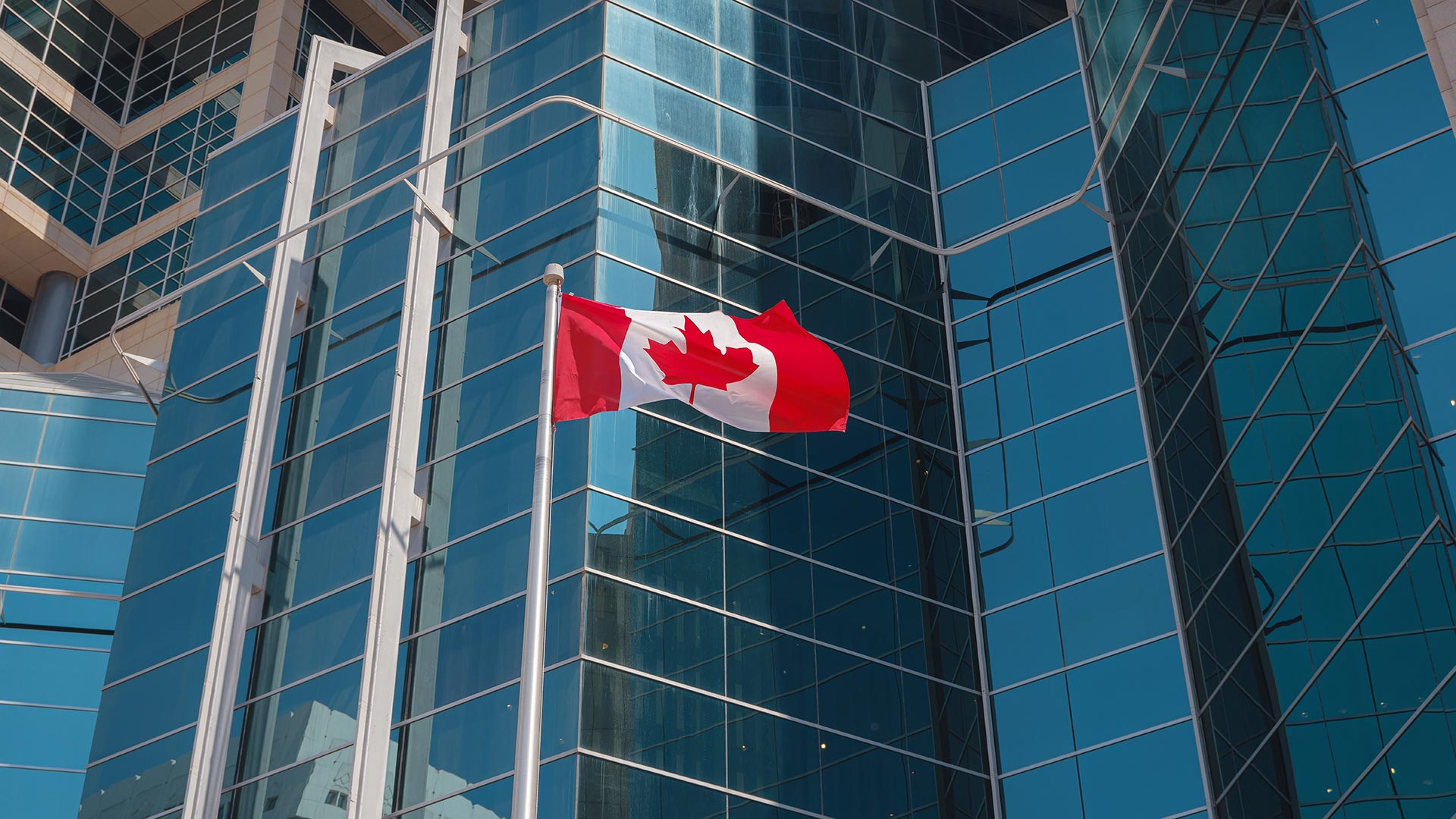
It’s hard to ignore the sense of economic uncertainty right now. Inflation has pushed everyday costs higher, interest rates have moved faster than many expected, and new tariffs and global tensions continue to make headlines. For many Canadians — especially here in Alberta — it can feel like the ground is constantly shifting beneath your feet.
If you’ve found yourself wondering whether you should pause investing, change course, or “wait until things settle down,” you’re not alone. These are natural questions during turbulent times.
But history and experience tell us something important: uncertain economic conditions don’t mean your financial plan should be uncertain too.
Economic Uncertainty Isn’t New, It Just Feels Louder
While today’s challenges feel unique, uncertainty has always been part of the financial landscape. Markets have lived through recessions, inflationary periods, trade disputes, oil price swings, geopolitical conflicts, and rapid interest rate changes before.
What has changed is how quickly and constantly we’re exposed to bad news. Every market dip, policy change, or economic forecast is instantly amplified. This makes it feel as though conditions are worse, or more permanent, than they really are.
Long-term financial success, however, has never depended on perfect economic conditions. It’s been built by people who stayed focused on what they could control, even when the broader environment felt uncomfortable.
Why the Basics Still Matter, Especially Now
When uncertainty rises, it can be tempting to abandon the fundamentals. In reality, this is when they matter most.
Saving Creates Flexibility
Consistent saving provides a buffer against the unexpected — whether that’s higher living costs, income changes, or surprise expenses. In unpredictable times, having cash reserves isn’t about fear; it’s about flexibility and peace of mind.
Investing Is a Long-Term Strategy
Markets don’t move in straight lines. Periods of volatility are normal, and historically, they’ve been followed by recoveries. Trying to time the market or step out “until things improve” often leads to missing those recoveries, which can significantly impact long-term results.
Staying invested doesn’t mean ignoring risk. It means building a diversified portfolio designed to weather different conditions, not just ideal ones.
Consistency Beats Prediction
No one — not economists, not headlines, not financial professionals — can consistently predict short-term market movements. What does work is consistency: regular contributions, disciplined investing, and a plan built around your goals, not today’s news cycle.
The Cost of Emotional Decisions
One of the biggest risks during uncertain times isn’t inflation or market volatility; it’s emotional decision-making.
Selling investments during downturns, stopping contributions, or constantly changing strategies often locks in losses and undermine long-term progress. A steady financial plan acts as a guardrail, helping prevent short-term emotions from causing long-term damage.
This is where professional financial advice becomes especially valuable — not to chase returns, but to provide perspective, discipline, and clarity when emotions run high.
Alberta-Specific Realities Matter
Here in Alberta, economic cycles can feel even more pronounced. Many households deal with variable income, sector-specific volatility, and heightened sensitivity to interest rate changes, especially when it comes to mortgages and renewals.
A strong financial plan takes these realities into account. It builds in flexibility, stress-tests different scenarios, and ensures your strategy still makes sense even when conditions change.
The goal isn’t to predict the next economic shift; it’s to be prepared for it.
Staying the Course Doesn’t Mean Doing Nothing
Staying the course isn’t about ignoring changes or pretending everything is fine. It’s about making thoughtful adjustments without abandoning your long-term strategy.
Periods like this are an excellent time to:
-
Review your savings and emergency fund
-
Revisit your investment mix and risk tolerance
-
Reassess upcoming milestones like retirement or major purchases
-
Ensure your plan still aligns with your goals and current reality
Sometimes the most responsible action isn’t a drastic change — it’s confirming that your plan is still doing what it’s designed to do.
A Steady Plan in an Unsteady World
You can’t control inflation, tariffs, interest rates, or global markets. But you can control how you prepare, how you respond, and how disciplined your approach remains.
When the economy feels unpredictable, a clear, well-built financial plan provides stability. It gives you confidence that — regardless of headlines — your money is working toward your long-term goals.
If you’re feeling uncertain, that’s a signal to review your plan, not abandon it.
Get financial advice